Author: JYC Carbide Technical Team Reviewed by: Senior Process Engineers (Hardened Steel & Titanium) Last updated: May 2026
In 2026, more mold shops and precision machining plants are moving away from HSS and coated high‑speed steel and switching to solid carbide for hardened materials.
This guide summarizes internal tests and typical customer feedback from JYC Carbide on how tungsten carbide tool life actually behaves in high‑hardness applications, with a conservative, engineering‑driven view that can stand up to shop‑floor and peer review.
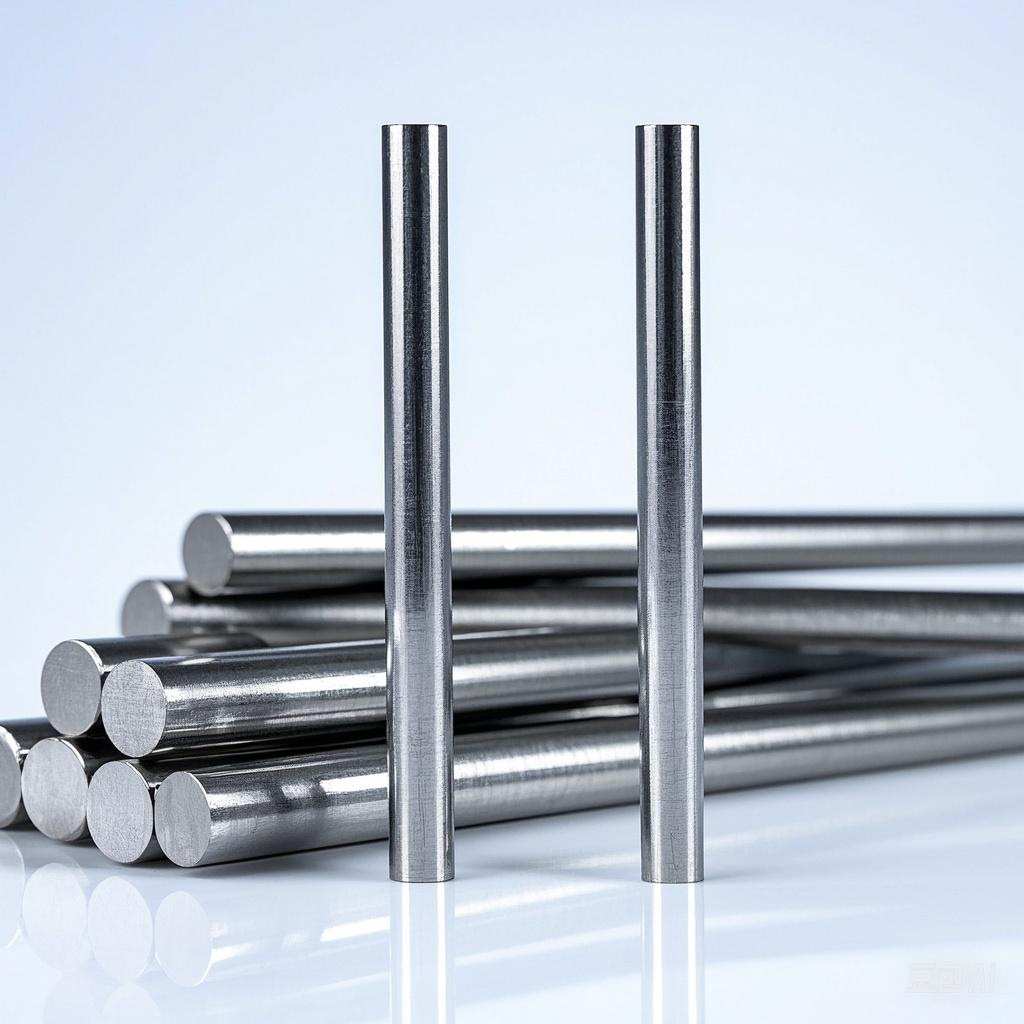
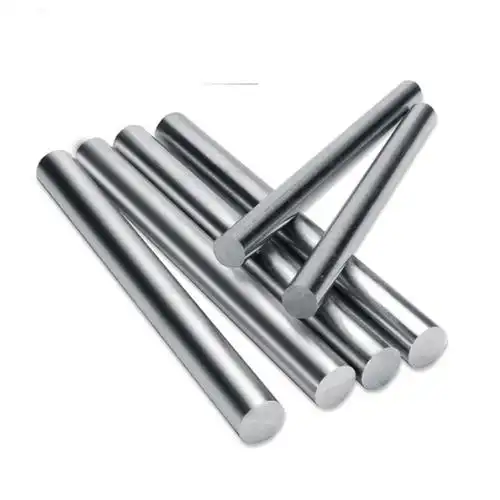

What Tungsten Carbide (Cemented Carbide) Really Is
Tungsten carbide for cutting tools is a cemented carbide material made from tungsten carbide (WC) powder and a cobalt binder, sintered at around 1300–1600°C in vacuum or protective atmosphere.
Typical substrate grades used for cutting tools fall in about HRA89.5–92.5, which corresponds to roughly 1600–2200HV in Vickers hardness, significantly higher than high‑speed steel.
Carbide vs HSS at a glance
Compared with HSS, carbide offers higher hot hardness, much better wear resistance, and improved red‑hardness at elevated cutting temperatures, at the cost of lower toughness.
That means carbide performs best on machines and setups with decent rigidity and runout control, at moderate to higher cutting speeds, instead of light, flexible machines or setups with poor clamping.
Where Carbide Makes Sense for Tool Life
Carbide is not a universal solution for any material, but it tends to shine in certain materials and operating windows where carbide tool life clearly exceeds HSS.
The table below lists common material groups we see most often and why shops move to carbide there.
Common material groups for carbide
| Material group | Typical material / hardness | Why shops choose carbide in these cases |
|---|---|---|
| Hardened mold steels | HRC58–65 tool steels like S136H, HPM38 | Enables direct hard milling of cavities and walls, reducing or even eliminating annealing and EDM steps under the right conditions |
| Cold‑work tool steels | D2, DC53 and similar | High wear resistance is critical; carbide gives better wear and dimensional stability than HSS in many cases |
| Stainless & PH steels | 17‑4PH, 440C and similar | Better resistance to built‑up edge (BUE) and adhesive wear, especially with suitable coating and geometry |
| Titanium alloys | Ti‑6Al‑4V (TC4) and similar | High hot hardness and proper coatings and chip control are key; carbide enables stable cutting when parameters are tuned |
| Nickel‑based superalloys | Inconel 718 and similar | With controlled heat and coolant, carbide can maintain a usable wear land over longer runs than HSS |
| Graphite / hard non‑metals | Graphite electrodes, selected engineering ceramics | High hardness and abrasive conditions favor carbide for extended wear life |
These are based on JYC Carbide’s common substrate and coating combinations and long‑term, repeat orders from multiple customers; they are not a blanket promise that every carbide brand will behave the same in every shop.
How Shops Use Carbide on the Floor
From our mold, automotive, and precision parts customers, solid carbide end mills show up most often in the following roles.
Typical carbide applications
- Moldmaking – Used for electrode cavities, hardened steel cavity walls, and narrow draft angles, typically with 0.05–0.30mm stock left for finishing.
- Aerospace components – On 5‑axis machining centers, carbide is used for titanium ribs, frames, and structural details, mainly for contour finishing and semi‑finishing.
- Medical components – Used on stainless and titanium implants such as bone plates, screws, and joint components where consistent dimensions and surface finish matter more than absolute removal rate.
- Automotive parts – Applied to turbine wheels, combustion chambers in cylinder heads, hardened shafts, and local deburring/chamfering.
All of these assume a reasonable machine and workholding setup: for example, BT40 or larger machining centers, toolholder runout controlled to about 0.01–0.02mm at the cutting edge, and stable fixturing.
Internal Example: Ø10 Carbide vs HSS in HRC62 Mold Steel
The numbers below come from JYC Carbide internal testing and are meant to illustrate how tungsten carbide tool life compares with HSS under one specific set of conditions. They are not a generic promise for all materials and setups.
Test setup (hardened mold finishing)
- Workpiece: HRC62 tool steel test block, heat‑treated and stabilized
- Tool diameter: Ø10mm (0.394″), 4‑flute end mill
- Toolholding: heat‑shrink holder, gauge length ≈ 3×D
- Machine: BT40 vertical machining center, max 12,000 rpm
- Strategy: side milling with light stock for finishing
- Coolant: external oil mist
Observed ranges in this test
| Tool type | Cumulative cutting length to ≈0.15mm flank wear (m) | Typical surface roughness Ra | Relative cost per meter of cut | Regrind potential (reference) |
|---|---|---|---|---|
| TiAlN‑coated HSS | Approx. 40–70m | Around Ra 1.0–1.2 | About 4–6× the cost per meter vs carbide in this test | 0–1 regrinds |
| Standard solid carbide | Approx. 400–700m | Around Ra 0.6 | Lower cost per meter in this setup, depending on purchase and regrind cost | 4–6 regrinds (depending on geometry and wear pattern) |
| Nano‑coated carbide | In similar conditions, around 1000–2000m | Around Ra 0.3–0.4 | In stable production, often lower cost per part than HSS and basic carbide | 8–10 regrinds (with controlled stock removal each time) |
These cutting‑length ranges are aggregated from several test runs and customer feedback. Actual tungsten carbide tool life will vary with machine rigidity, coolant delivery, tool overhang, and detailed cutting parameters. For any critical project, we recommend confirming numbers through your own trials instead of relying on example data alone.
Titanium Roughing Example (TC4): Trend, Not a Recipe
For roughing Ti‑6Al‑4V (TC4), carbide tools can reach much higher metal removal rates than HSS at the same diameter, provided the machine, fixturing, and coolant are up to the task. The following is a trend‑level guide from our in‑house application experience; it is not a fixed recipe.
Typical assumptions for Ti‑6Al‑4V
- Material: Ti‑6Al‑4V (TC4), forged or bar stock
- Tool: Ø12mm roughing solid carbide end mill
- Machine: vertical or horizontal machining center; high‑pressure coolant is a plus
- Coolant: external or through‑tool emulsion coolant
- Strategy: side milling with ae ≈ 10–30% D, ap ≈ 0.5–1.0×D
Trend ranges for titanium roughing
| Tool type | Typical MRR (cm³/min) | Typical fz (mm/tooth) | Typical tool life (order of magnitude) |
|---|---|---|---|
| Quality HSS / HSS‑Co with coating | Approx. 20–40 cm³/min | About 0.02–0.04 | Primarily aimed at getting a few parts done, life highly sensitive to coolant and geometry |
| Standard carbide rougher | Approx. 60–90 cm³/min | About 0.04–0.08 | On a rigid setup, noticeably longer life than HSS, suitable for small and mid‑batch runs |
| Variable‑helix carbide rougher with through‑coolant | Approx. 120–180 cm³/min | About 0.05–0.10 | In stable production lines, can significantly boost output, but demands strong cooling and rigidity |
These bands are intended to help process engineers set realistic expectations and build their own parameter tables for tungsten carbide tool life in titanium. For critical parts, we recommend stepwise testing and tool monitoring rather than copying values blindly.
Strengths and Limits of Carbide as a Tool Material
Carbide does offer clear benefits to machining, but every benefit has limits and depends on the overall system.
Dimensional stability and thermal behavior
Carbide has a lower coefficient of thermal expansion than typical alloy steels, which helps with dimensional stability when temperatures stay within a controlled range. It does not mean zero growth or no size change under any thermal load.
Stiffness, vibration, and chatter
A higher elastic modulus makes carbide less prone to bending at the same diameter compared with HSS, which helps reduce chatter in rigid setups. However, if the machine or workholding is weak, carbide tools will still chip or chatter.
Toughness, coatings, and synergy
By tuning cobalt content and grain size, you can balance wear resistance and chipping resistance, but that only works when paired with the right geometry and coating for the material and strategy.
Regrindability in real shops
When geometry and stock removal are controlled carefully, carbide end mills can be reground multiple times. Each regrind step may change the best‑fit application and recommended cutting parameters.
We do not recommend pushing carbide to aggressive parameters on light‑duty machines, weak fixtures, or setups with poor coolant and expecting the tool alone to fix systemic issues.
Common Mistakes That Kill Carbide Tool Life
From daily technical support calls with mold shops and job shops, we see the same root causes again and again when tungsten carbide tool life looks unreasonably bad.
Five frequent failure patterns
- Insufficient machine or toolholding rigidity – Worn spindle bearings, runout above 0.02mm at the cutting edge, or flexible fixtures all increase the risk of edge chipping and random tool failures.
- Running inside a resonance zone – Long overhang tools run at spindle speeds that hit a natural frequency will show strong vibration. A simple tap test or small rpm sweep often reveals a more stable speed window.
- Poor coolant concentration or delivery – Low emulsion concentration or weak coolant direction, especially in stainless, titanium, and nickel alloys, leads to adhesive wear, thermal cracking, and rapid edge breakdown.
- Titanium and superalloy parameters that rub instead of cut – Very low feed per tooth or extremely shallow depth can cause work hardening and rubbing rather than clean cutting, which accelerates edge wear.
- Over‑stressing old toolholding systems – For example, pushing large‑diameter end mills in a basic collet chuck on a BT40 machine with marginal pull‑stud or drawbar condition often causes slippage and breakage that is blamed on the tool.
Most of these issues are system‑level; switching brands alone rarely solves the root cause without addressing machine condition, tooling, and workholding together.
Practical Advice for Buyers and Process Engineers
For plants already using solid carbide end mills for hardened steel and other demanding materials, we suggest evaluating and choosing carbide tool suppliers based on the following points.
How to evaluate carbide suppliers
- Define materials and hardness ranges clearly – For example, HRC58–65 hardened tool steels, 17‑4PH stainless, or TC4 titanium. Ask the supplier for substrate and coating suggestions specific to those ranges.
- Ask for recommended parameter windows – Including suggested ranges for Vc (cutting speed), fz (feed per tooth), ap (axial depth), and ae (radial depth), especially safe starting points and the typical upper limits seen in production.
- Check tool accuracy and tolerance specs – For example, diameter tolerance, shank tolerance such as h6 per ISO 286‑1, and runout expectations at the cutting edge.
- Request inspection data where needed – Such as dimensional reports and coating batch information for traceability on critical parts.
For tungsten carbide tool life, surface finish, and cycle time targets on key parts, we recommend setting up joint trials and pilot runs with your supplier instead of relying only on generic marketing numbers.
About JYC Carbide – Capability and Trust Signals
JYC Carbide (Jinyuchang Industrial Technology Co., Ltd) focuses on solid carbide tools and carbide rods for global OEM and industrial users.
The supported manufacturer operates around 270,000 m² of production and supporting facilities in China, with more than 5,000+ active SKUs, over 1,200+ active customers, and a cumulative shipment volume of about 40 million pieces shipped to 40+ countries and regions.
Equipment and quality systems
For grinding, JYC supported manufacturer uses P3‑grade CNC tool grinders from brands such as WALTER, ANCA, and ROLLOMATIC, supported by ZOLLER presetting and measuring systems, laser measuring equipment, FEI, and CMMs for geometry, runout, and related inspections.
On the quality and management side, the company is certified to ISO 9001, 14001, 45001, and 50001 and can provide outgoing inspection records and COC documentation as agreed in the RFQ and order process.
FAQs
What is a realistic tungsten carbide tool life in HRC65 steel?
In a stable setup, carbide can run roughly 10× longer than HSS in HRC62–65 tests, but real life depends heavily on rigidity, coolant, and parameters.
Which solid carbide end mills work best for hardened steel?
Use 4–6 flute, corner‑radius carbide end mills with tough substrate and TiAlN‑family coating, designed specifically for hard milling above HRC55.
Which parameters affect carbide tool life the most?
Cutting speed Vc, feed per tooth fz, radial/axial depth (ae, ap), coolant strategy, and tool overhang usually make the biggest difference in wear and breakage.
This article was prepared by the JYC Carbide technical team based on internal testing and field feedback, and reviewed by senior process engineers with experience in hardened steel and titanium machining.
Discuss Your Tungsten Carbide Tool Life Project With Us
If you are evaluating carbide tool life in HRC65 hardened steel or planning to tune parameters for titanium or stainless steel, our technical and sales team can review your current machine setup, workpiece materials, and process targets and then propose tool selections and starting parameters for shop trials.
Brand: JYC Carbide
Company: Jinyuchang Industrial Technology Co., Ltd
Website: carbide-factory.com
WhatsApp: +86‑189‑2679‑8587
For tool life and efficiency improvements, we recommend confirming expectations during the RFQ and test‑cut phase, backed by your own shop data, rather than relying solely on generic claims.
Request carbide tooling recommendation for your application
We will suggest tools and starting cutting data based on your actual machines, materials, and process targets — not a one‑size‑fits‑all list.



Request a Quote for Carbide Tools