Written by Kevin Lee, Senior Application Engineer, Carbide-Factory R&D Center — [N] years in solid carbide tooling development, reviewed by the Technical Director | Last updated: September 20, 2026
What Is an Arc End Mill?
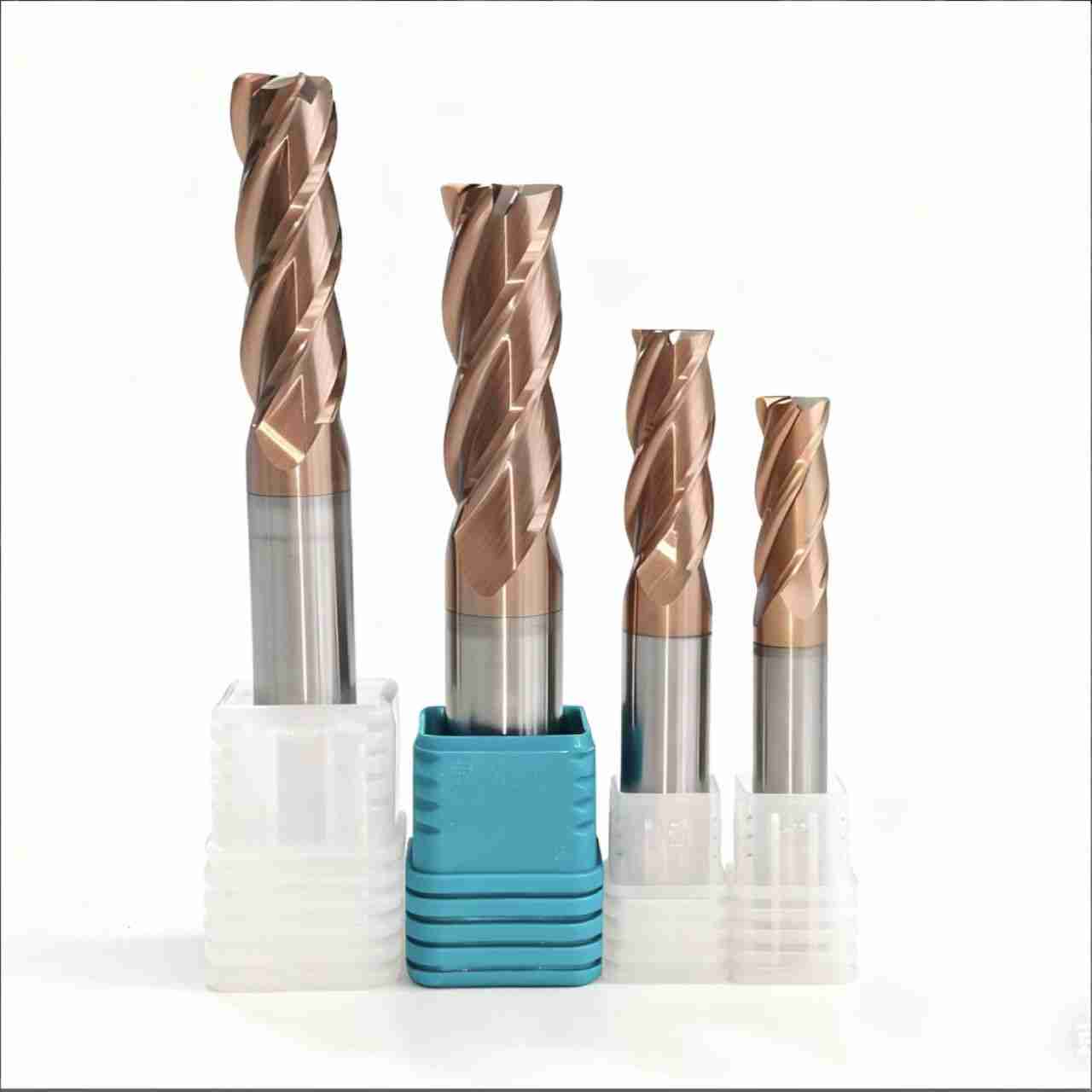
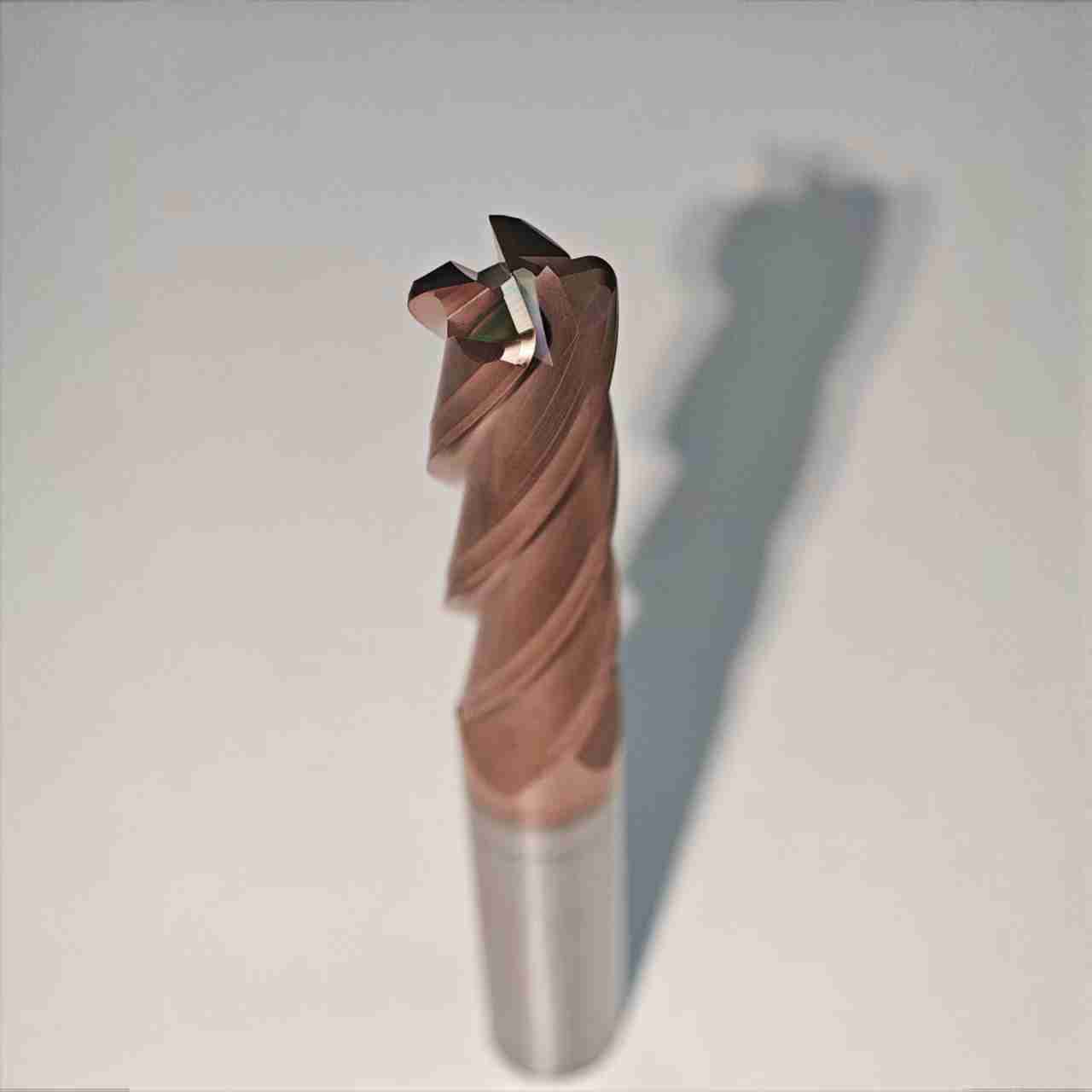
An arc end mill — sometimes called a circular arc milling cutter, or referred to by its series code like NCP-4R — is a solid carbide tool with an arc-shaped segment ground onto the cutting edge instead of a full spherical tip. That arc keeps more of the edge in contact with the surface as you move across a mold cavity, which is exactly why shops swap to this geometry when a standard ball nose starts leaving visible scallop lines on wide-stepover passes.

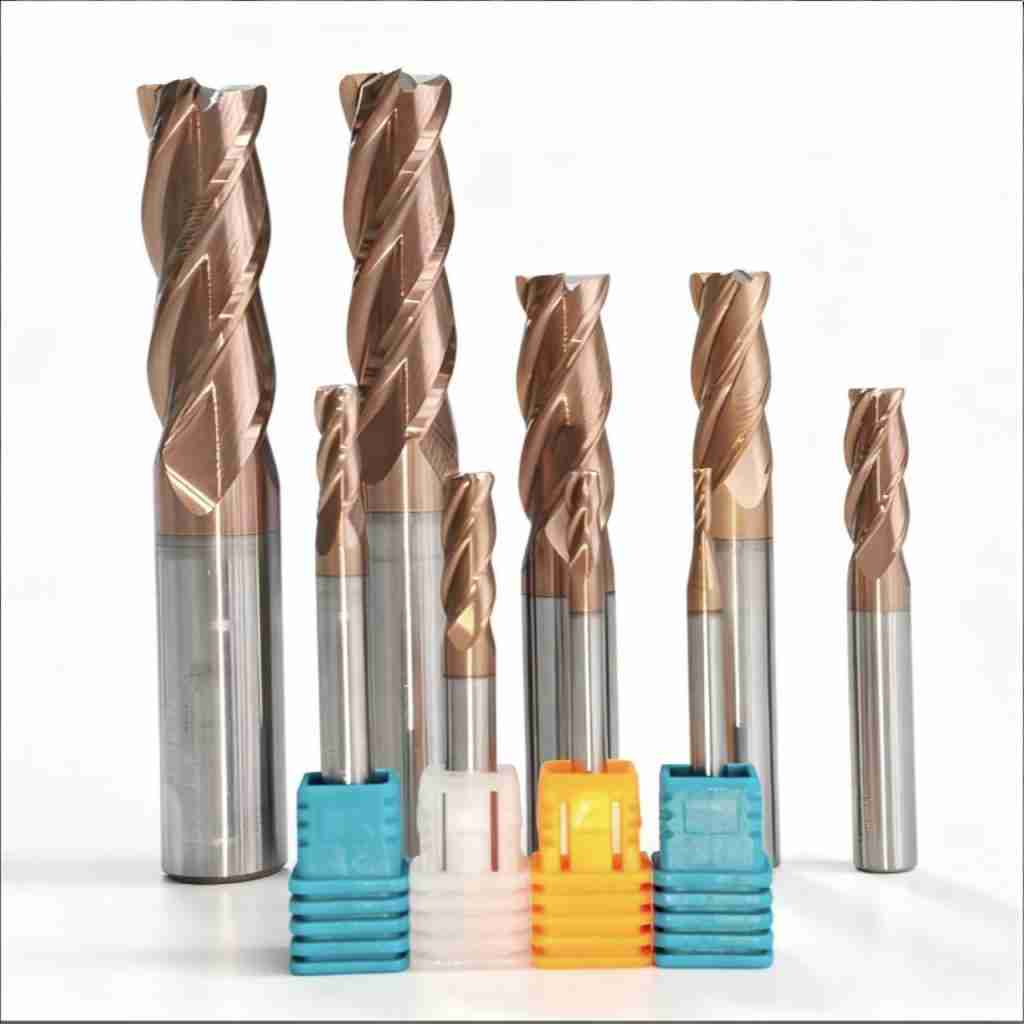
If you’re not sure whether your job actually calls for an arc profile, a corner radius end mill, or a plain ball nose end mill, the comparison below should settle it in under a minute.
Arc End Mill vs Ball Nose vs Corner Radius: Quick Comparison
| Feature | Arc End Mill | Ball Nose End Mill | Corner Radius (Bull Nose) End Mill |
|---|---|---|---|
| Tip geometry | Partial arc segment on the cutting edge | Full hemispherical tip | Flat bottom with small rounded corners |
| Best for | 3D contour finishing, mold cavity/core blending, stepover-heavy surfacing | Steep or vertical 3D walls, deep cavity finishing | Roughing and semi-finishing flat or lightly rounded surfaces |
| Stepover advantage | Wider stepover without losing surface finish | Limited by ball radius — more passes needed | Not built for 3D surfacing stepovers |
| Edge strength | Higher than ball nose at the same diameter | Weakest point is the tip itself | Strongest — flat edge resists chipping under load |
| Typical use case | Mold core/cavity blending, aerospace fillet radii | Free-form 3D surfaces, deep engraving | Roughing hardened steel ahead of a finishing pass |
The tradeoff in one sentence: a ball nose gives full spherical coverage but loses contact area fast once the tool tilts off-center, so you end up running narrower stepovers just to hold the same finish. An arc end mill keeps a longer effective edge in contact with the surface, so the same finish tolerance allows a noticeably wider stepover — which is the whole reason mold shops reach for arc geometry on cavity and core blending work in the first place.
Why the Arc Geometry Actually Works
The reason an arc-ground edge outperforms a ball nose on wide-stepover 3D work comes down to how the cutting load is spread. A full-radius ball nose concentrates force at a single contact point that keeps shifting as the tool tilts across the surface — that’s what causes the uneven wear and chatter you feel on shallow-angle passes. An arc-ground edge spreads that same load across a longer, continuous section of the edge, which does three things in practice:
- Cuts down vibration and chatter on shallow-angle 3D surfaces
- Lets you push feed per tooth higher without the finish falling apart
- Extends edge life, since no single point is carrying the entire cutting load
It’s the same force-distribution logic that makes a corner radius end mill more resistant to chipping than a square end mill on hardened steel — a longer, stronger edge simply survives higher feed rates before it fails.
Real Machining Case: NCP-4E-D6.0 on NAK80 (HRC40)
Spec sheets don’t tell you how a tool behaves in the cut, so here’s an actual parameter set our application lab ran for mold cavity finishing:
| Parameter | Value |
|---|---|
| Tool model | NCP-4E-D6.0 |
| Diameter | 6.0 mm |
| Workpiece material | NAK80 pre-hardened mold steel (HRC40) |
| Cutting speed | 120 m/min |
| Feed rate | 0.2 mm/rev |
| Axial depth of cut (ap) | 6 mm |
| Radial cutting width (ae) | 0.6 mm |
| Milling method | Side milling, forward (climb) milling |
| Cooling | Oil cooling |
| Machine | Lichi DM800 |
Data were tested on [2024-03-22, Carbide-Factory Application Lab)
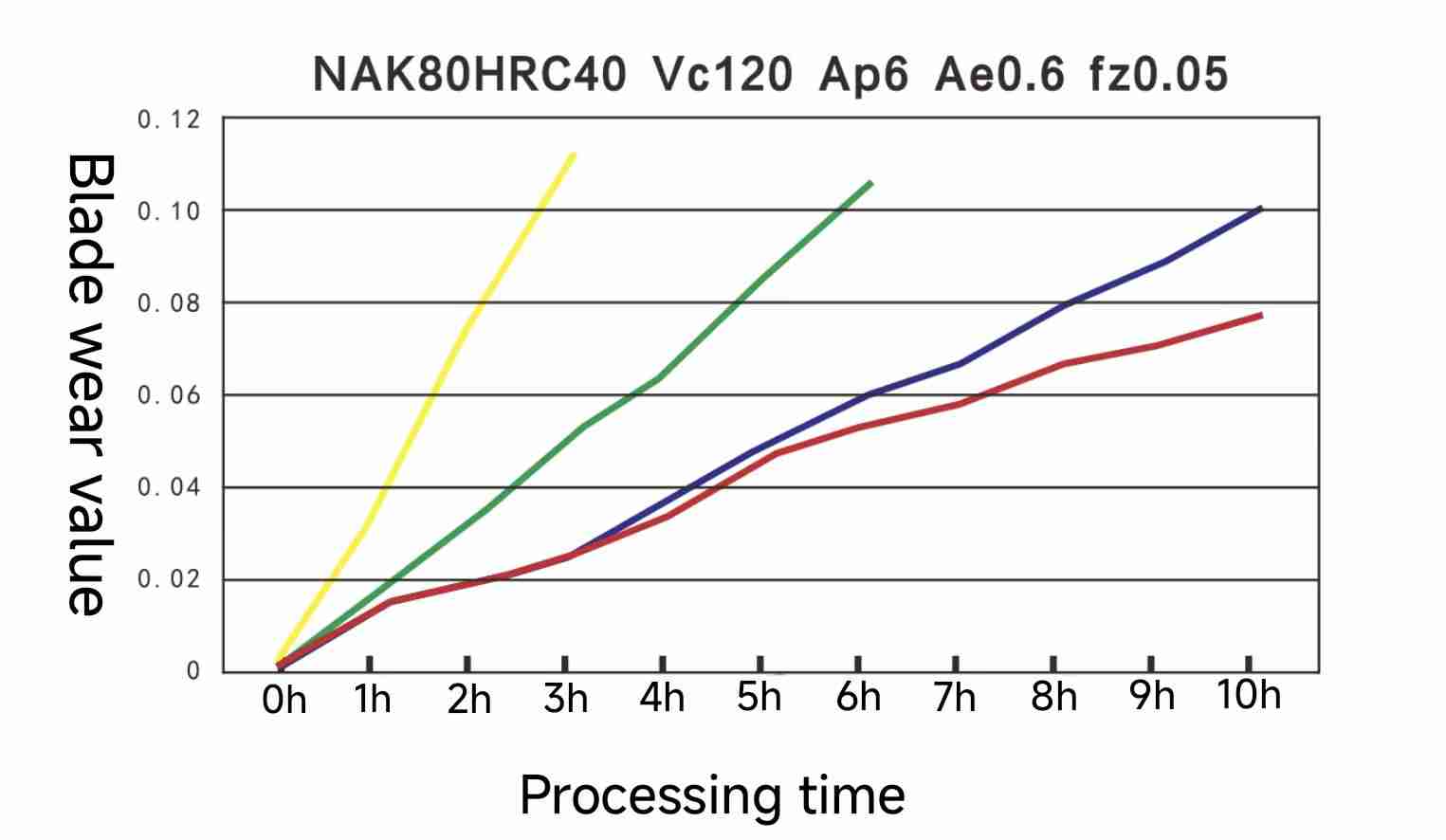
At roughly 10% stepover ratio (ae = 0.6mm on a 6mm tool), a same-diameter ball nose cutter would typically need close to double the number of passes to hold the same scallop height. That’s the practical payoff of arc geometry on cavity-blending work — fewer passes, same finish.
How to Choose: A Practical Decision Framework
- Reach for an arc end mill when you’re finishing 3D mold cavities or cores and want fewer passes without giving up surface finish — see the hard-material arc end mill (NCP-4E series) for hardened steel applications.
- Stick with a ball nose end mill when the surface has steep or vertical walls where full spherical contact can’t be avoided.
- Rough with a corner radius (bull nose) end mill first when you’re cutting hardened steel — save the arc or ball nose tool for the finishing pass, not the roughing pass.
- Machining titanium, aerospace superalloys, or steel above HRC55? Pair the arc geometry with a micro-grain carbide substrate and AlTiN/TiAlN coating. Standard-grain, uncoated tools chip out fast at that hardness range.
Still not sure which geometry fits your part? Our end mill selection guide walks through material-by-material recommendations, or you can browse the full carbide end mill product range and send us your drawing — we’ll confirm the right geometry and coating before you place a sample order.
Frequently Asked Questions
Can an arc end mill be used for roughing?
It can, but it’s not the best use of the tool. The arc edge is built for finishing-pass stepover efficiency, not for absorbing heavy roughing loads. Rough with a corner radius end mill, then switch to the arc profile for the finishing pass.
What’s the difference between an arc end mill and a circle segment cutter (barrel mill)?
A circle segment cutter uses a much larger radius — often just a small segment of a very large virtual ball — which allows extreme stepover increases on shallow, open surfaces. A standard arc end mill uses a tighter, more moderate radius suited to cavity geometry where a barrel mill’s large radius simply won’t fit.
Which coating should I choose for an arc end mill on hardened steel?
For steels up to HRC55, AlTiN or TiAlN coatings handle the heat generated at typical mold-finishing speeds. Above HRC60, pair a nano-composite coating with a finer carbide grain (sub-0.5 micron) to control edge chipping.
Product Specifications (NCP-4R Series)
| Product Item No. | NCP-4R |
| Structure | Integral, solid carbide |
| Material | Cemented carbide, grade YK25SF |
| Flute count | 4 |
| Flute diameter range | 0.2–25.4 mm |
| Spiral angle | 30° |
| Overall length | 50–75 mm |
| Precision | D<12mm: -0.02–0.0 mm; D<12mm: 0.03–0.0 mm |
| Max hardness capability | HRC55 |
| Runout | <0.005 mm |
| Coating options | AlTiN, TiAlN, TiN, Nano, customized |
| Customization | OEM / ODM / OBM supported |
| Production capacity | 50,000 pcs/month |
| Origin | China |
| HS Code | 8207709000 |
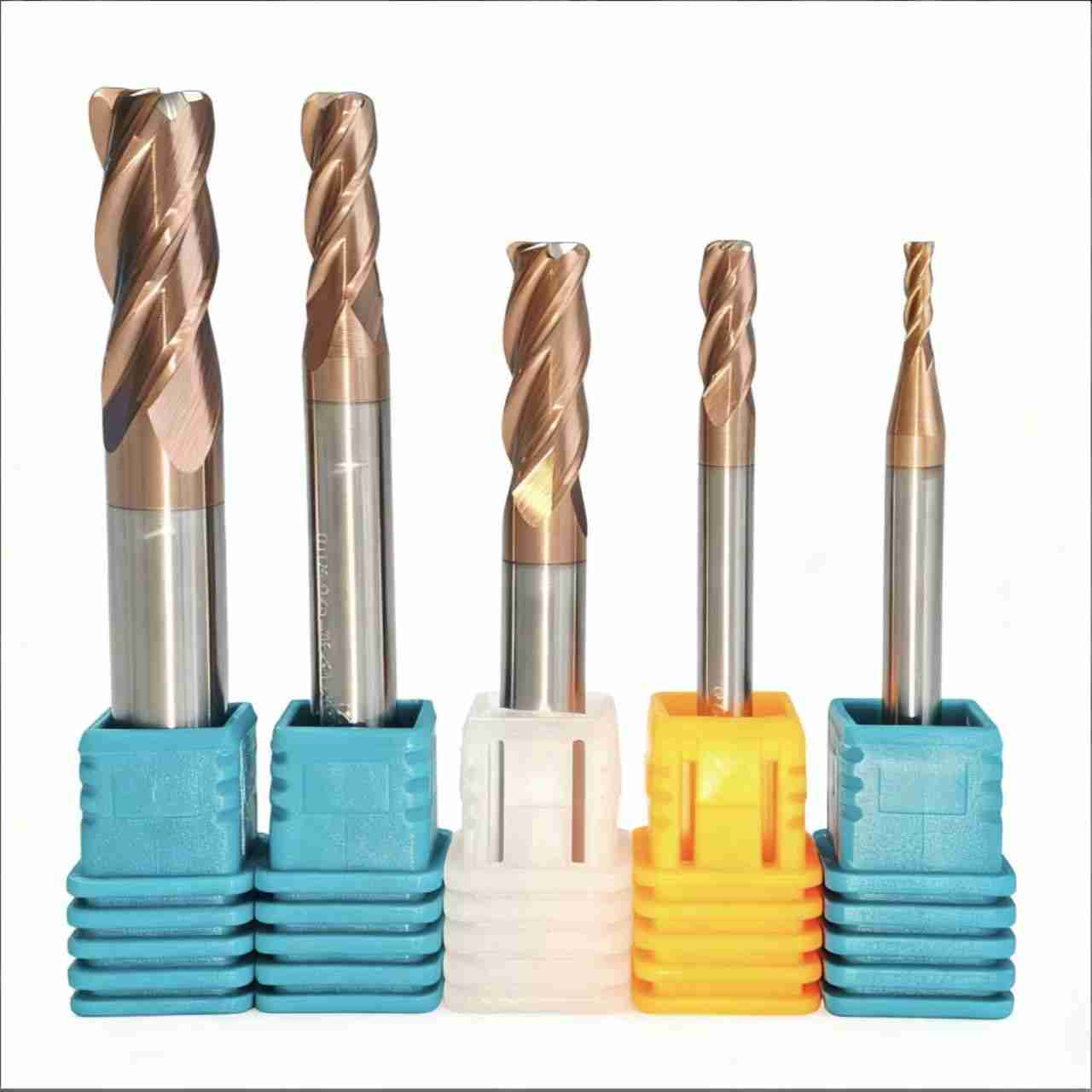
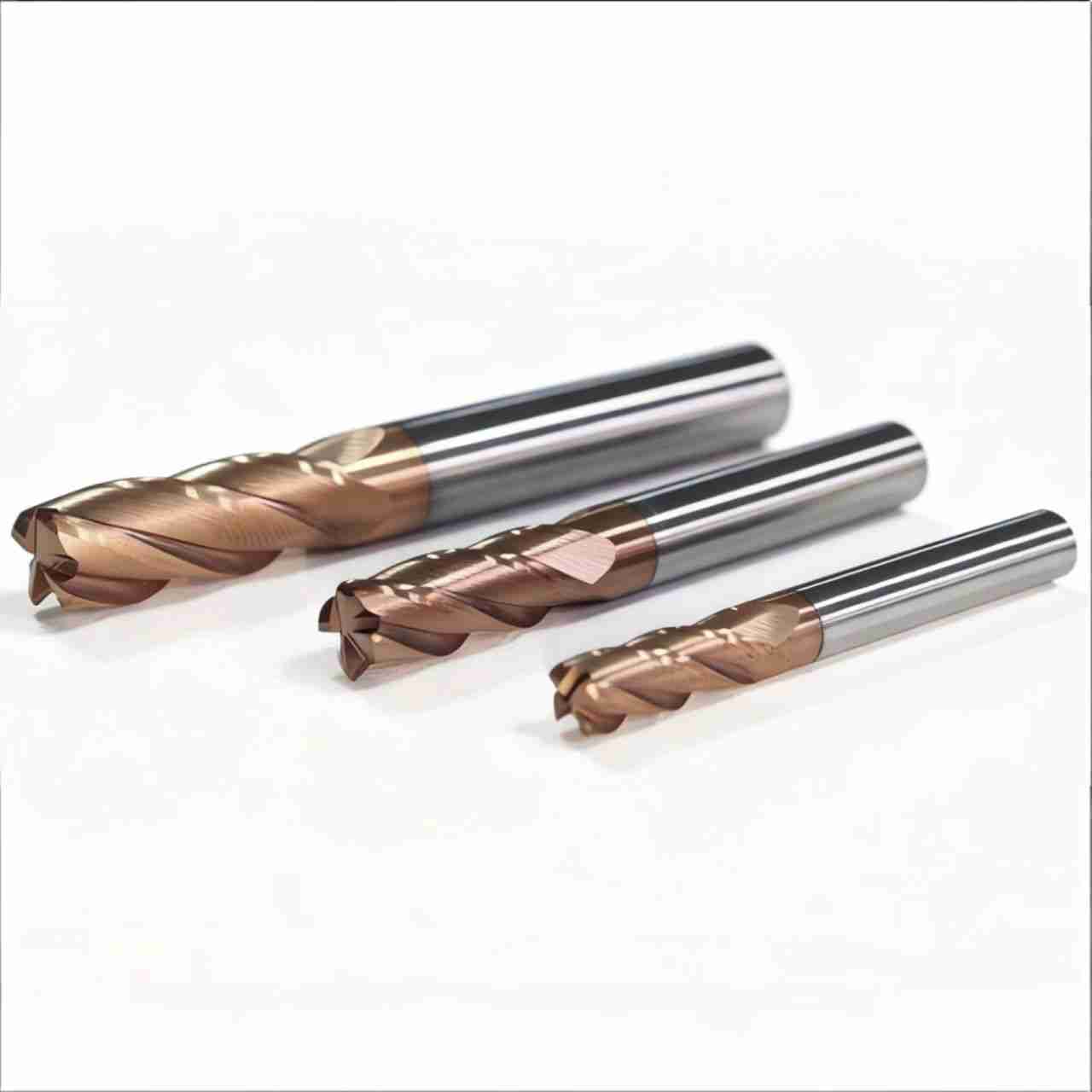
Need a sample tested against your own mold steel or aerospace alloy before committing to a production order? Send your drawing or current tool’s cutting parameters to our application team through the mold-making tooling program page, and we’ll match you with the closest NCP-series geometry and coating combination — including a comparison against whatever you’re running today.
Explore related resources: Carbide Technical Hub · Die & Mold Machining Applications
Last updated: . This page is refreshed periodically with new cutting data and application notes to maintain content freshness for both traditional search and generative engine optimization (GEO) signals.


Request a Quote for Carbide Tools