Carbide Cutting Tools in Stock
Carbide Cutting Tools in Stock for Everyday Machining
Author: JYC Carbide Technical & Export Team Last updated: May 2026
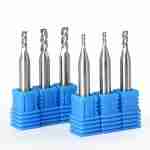
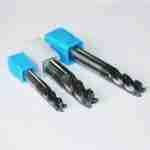
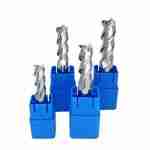
In most shops, the tools that really matter day to day are not the special one‑off cutters. They are the standard solid carbide cutting tools – end mills, ball end mills, roughers, drills, reamers, and facemills – that you burn through on every shift.
This page focuses on one practical question: if you want to build a 2026 stock of solid carbide cutting tools that can substitute for common US/EU brands without slowing your machines down, which materials and applications should you prioritize, and what technical details should you confirm before you order.


1. Seven Material Groups That Work Well for Everyday Stock Carbide Tools
The material groups below are where we currently see the highest order volume and the most mature cutting data across customers. They are good candidates for everyday carbide tool stock, but any actual application still needs to be checked against your parts, machines, and workholding.
- 6061 / 7075 / 7050 and similar aerospace and structural aluminum alloys. For detailed examples, see our aerospace machining applications.
- P20 / 718H / NAK80 / S136 and similar pre‑hardened mold steels (typically up to about HRC 35–40). You can explore more mold work examples on the die and mold machining page.
- 303 / 304 / 316L / 420 / 17‑4PH and other common stainless steels.
- GG25 / GGG40 and other gray cast irons and ductile irons.
- H13 / SKD61 and similar hot work die steels (usually recommended up to about HRC 52).
- C3604 brass / H59 brass and other copper‑based alloys where you run medium‑to‑high volume.
- ADC12 / A380 and similar high‑silicon die‑cast aluminum alloys, where you need both wear resistance and chip evacuation.
These groups do not mean “one carbide cutting tool for all materials”. They indicate where we already have concentrated data and stable recipes across P/M/K classes, so you can start from proven ranges instead of guessing from scratch. For high hardness materials, heat‑resistant alloys, or anything outside these bands, please send an RFQ and have an engineer look at the tool series and cutting strategy first.
2. Typical CNC Applications and Suggested Carbide Tool Types
These examples are based on common real‑world CNC machining jobs and are meant to give you a direction, not a universal rule. Vc (cutting speed), fz (feed per tooth), ap (axial depth), and ae (radial depth) must be dialed in to your spindle power, holders, and coolant setup.
2.1 Aluminum 3C housings and frames
High‑speed roughing plus finishing in aluminum is a common everyday job. Suggested tools: 3‑flute polished‑flute aluminum end mills with generous flute volume and higher helix angle, suited for high spindle speed and high feed in 6000‑ and 7000‑series aluminum. For more aluminum‑focused tooling, see our solid carbide end mills for aluminum.
2.2 Automotive mold cavities
For rough and semi‑finish in one setup on P20 / 718H and similar steels, a common approach is:
- Use 4‑flute corn‑cob roughing end mills to remove bulk material.
- Follow with same‑diameter finishing end mills for surface and contour accuracy.
You can match these jobs with tools from the carbide end mills catalog.
2.3 General hardware in steel and stainless
For slotting and chamfering in medium‑carbon steel and stainless, shops often choose:
- 4‑flute variable‑pitch carbide end mills.
- AlTiN or AlCrN coating for heat resistance and wear control.
- Chip loads tuned to avoid chatter while keeping throughput reasonable.
2.4 Medical stainless parts
Tight surface finish and burr control in stainless medical components often require:
- 2‑flute long‑reach solid carbide end mills.
- Heat‑resistant nano‑layer coatings designed for stainless steels.
- Modest ap with solid coolant support and stable fixturing.
For more on these use cases, see medical device machining.
2.5 Aluminum profiles and sharp corners
For aluminum window and structural profiles, cleaning sharp inside corners often benefits from:
- Fine‑pitch corn‑cob roughers or small‑diameter carbide end mills.
- Strong chip evacuation to keep corners sharp and reduce chatter.
2.6 Cast iron engine blocks and housings
Large face milling in cast iron with heavier cuts typically uses:
- 6–8‑insert facemill bodies with appropriate carbide inserts.
- Rigid fixturing and sufficient power on the machine tool.
- Holder selection and tool body balance matched to spindle limits.
These are “common pairings”, not the only way to run the job. If you share a drawing and a short process description, an engineer can suggest a more specific solid carbide tool combination for your machines and cycle‑time targets. For additional selection guidance, you can also refer to the carbide end mill set selection guide.
3. Why These Solid Carbide Cutting Tools Make Sense as Stock Items
From both a process and purchasing point of view, a good stock carbide cutting tool is not the most exotic. It is the one that runs predictably, is easy to reorder, and fits into your cost structure.
3.1 Mature cutting data by material group
For the P/M/K material groups above, we have long‑term production data across shops. This makes it easier to start with conservative recipes and move up, instead of guessing from zero for each new setup.
3.2 Concentrated, useful carbide tool SKUs
Common diameters from 1–12 mm, practical cutting lengths, and standard shank sizes cover most everyday CNC machining operations. That makes it easier to reduce total SKUs while still covering roughly 80%+ of your routine work.
3.3 Stable supply for standard carbide cutting tools
Common SKUs can be held as safety stock at the factory. For most orders on those SKUs, we can usually prepare and ship from China within roughly 24–72 working hours after confirmation, subject to the final PI.
3.4 Cost you can explain to finance
With reasonable volume and suitable coating/tool series, the per‑piece carbide tool cost can often come in lower than traditional imported brands, without giving up process stability. The exact saving depends on what you are running now and your annual usage. If cost is your main focus, you may also want to review our affordable carbide tools overview.
4. Factory Capability and Quality Control Behind These Carbide Tools
To avoid the “looks good on paper, hard to run in the machine” situation, below is what actually sits behind these solid carbide cutting tools. All of this can be documented in more detail at RFQ stage, and you can read more on the about us page.
4.1 Factory profile and certifications
- Supplier: JYC Carbide / Jinyuchang Industrial Technology Co., Ltd.
- Support Manufacturer Total plant area: approximately 270,000 m² across multiple facilities.
- Management systems: ISO 9001 / 14001 / 45001 / 50001 certified (quality, environment, occupational health and safety, and energy).
- Inspection documents: batch inspection reports available with shipments; COC or third‑party reports (for example from SGS) can be arranged on request and are normally treated as separate, billable services.
4.2 Grinding and inspection equipment
- Grinding: multi‑axis CNC tool grinders such as P3 WALTER, ANCA, and ROLLOMATIC are used for forming and finishing end mills, drills, and other solid carbide cutting tools.
- Inspection: ZOLLER tool presetters, laser diameter measuring systems, and, for certain types, CMMs and FEI equipment are used for dimensional checks, runout verification, and microstructure evaluation where required.
4.3 Typical dimensional and tolerance control
The values below are typical internal control levels for standard catalog carbide tools. Any tighter figure on a drawing or contract takes priority.
| Feature | Typical control level |
|---|---|
| Cutting diameter D ≤ 12 mm | 0 to +0.020 mm (supports common H7/H8 bore targets) |
| Cutting diameter D > 12 mm | 0 to +0.030 mm (depending on series and application) |
| Corner radius tolerance | ±0.01 mm for consistent blend radii |
| Shank tolerance | h6 (per ISO 286‑1), suited for ER, shrink‑fit, and hydraulic holders |
| Recommended TIR at tool tip | About 0.02–0.05 mm for D ≤ 12 mm, depending on tolerance and setup |
If you need tighter tolerances, specific geometries, or a particular surface finish level, please include the drawing or specification in your RFQ so an engineer can confirm whether a standard carbide cutting tool is enough or a non‑standard carbide product is required.
5. Practical Pitfall Checks Before Ordering and First‑Run Testing
This section is not a promise of any particular result. It is a short list of issues that come up repeatedly when shops qualify a new solid carbide tool or a new supplier. For more in‑depth articles, you can also browse the machining knowledge library.
5.1 Aluminum applications
For 6061 / 7075 and similar alloys, a polished flute, large‑chip‑space aluminum geometry usually gives better chip evacuation and lower risk of built‑up edge (BUE). When you first run a new carbide tool or a new supplier, a safe approach is to start at around 70–80% of the cutting speed and chip load that has been stable for you with your current tool, then step up based on chip shape, spindle load, and surface finish.
5.2 Stainless steel applications
304 / 316L and similar austenitic stainless steels demand higher edge strength and heat‑resistant coatings such as AlCrN or nano‑layer coatings designed for stainless. To reduce early chipping on a new tool, start with slightly reduced ap and ae, watch the wear pattern, then increase feed or depth as the behavior stabilizes. For stainless‑specific tools, see the stainless steel cutting tool range.
5.3 Runout and toolholding
Regardless of brand, poor toolholding is one of the fastest paths to chipping, chatter, and drifting dimensions. On your first trial runs, put an indicator or presetter on the tool shank and measure TIR at the cutting edge. For finishing operations, keeping effective runout in the 0.02–0.03 mm range at the tip is often a good starting point; tighten or relax based on your print tolerance and machine capability.
5.4 How to compare carbide tool life realistically
The most meaningful way to compare carbide tool life is to hold everything else constant: same part, same machine, same program, same setup. Track parts produced or total cutting length until the tool reaches the wear level you consider end‑of‑life. At RFQ stage, you can share your current brand, geometry, and cutting data. We can suggest a conservative starting point for the new carbide cutting tool, but final life results always depend on your in‑house conditions.
5.5 Storage and corrosion
In humid shops, it is worth keeping carbide cutting tools in dry storage or sealed tubes to prevent rust on shanks and clamping surfaces. Light surface corrosion in the clamping area can change how the tool seats in the holder and affect runout.
All of these are practical recommendations based on field experience. They are not guarantees of a specific cycle time, surface finish, or tool life. Any actual gains must come from testing on your machines and jobs.
6. How to Brief Our Engineering Team About Your Carbide Tool Needs
If you are planning your solid carbide tool stock for 2026 and want to keep dimensional stability and process consistency, lower cutting tool cost without sacrificing yield, and build a more structured cutting‑data library around your own materials, a focused technical brief is the best starting point.
You can do this via the RFQ form on our website or by message, including:
- Country and type of plant (job shop, mold shop, automotive, aerospace, etc.).
- Main workpiece materials (for example 6061 / 7075, P20 / 718H, 304 / 316L).
- Machine types (vertical machining center, horizontal, gantry, mill‑turn, etc.).
- Main carbide cutting tool diameters and current brands you are using.
- The main issues you want to fix (for example unstable tool life, dimension drift, long lead times, frequent stockouts).
You can also reach us via WhatsApp at: 0086‑189‑2679‑8587 (responses are prioritized on business days in China time). If you prefer to leave a detailed RFQ online, you can use the message to solid carbide manufacturer form.
After we receive your RFQ, in most cases we will:
- Review your current tools and cutting data and suggest a conservative starting window for Vc, fz, ap, and ae.
- Recommend a list of solid carbide cutting tools that make sense as standard stock for your material mix, along with practical minimum order quantities.
- Provide the relevant batch inspection reports, and if you need a COC or third‑party inspection report, confirm scope, cost, and lead time with you before order confirmation.
We do not promise “zero breakage”, “guaranteed life improvement”, “100% same‑day shipping”, or similar absolute outcomes. Instead, we focus on giving you a technically sound, documented setup that your machinists, engineers, and finance team can all review and challenge.
Ready to plan your 2026 carbide cutting tool stock?
Share your key materials, machines, and current challenges, and our engineers will provide tailored suggestions based on your actual machining conditions.
Send an RFQ for customized tool advice
We will review your information and suggest carbide cutting tool options and starting parameters specifically for your setup, rather than a one‑size‑fits‑all answer.
FAQ
How should I choose carbide tools for aluminum vs stainless?
Use polished, 2–3 flute tools for aluminum to avoid BUE, and sharp, coated carbide with higher edge strength for stainless, then tune Vc, fz, ap, ae to your machine.
What materials can these carbide cutting tools cover?
They are suitable for common P/M/K materials like aluminum, pre‑hardened mold steels, stainless, cast iron, copper alloys, and die‑cast aluminum, but every job still needs RFQ confirmation.
Can I use the same cutting parameters for all materials?
No. Each material needs its own cutting speed, feed per tooth, and depth strategy, so always adjust Vc, fz, ap, ae by material and machine rigidity.
7. About the Author and Page Updates
This page was prepared by the JYC Carbide technical and export team, based on field feedback from CNC machining customers in more than 40 countries and more than 5,000 active SKUs delivered to date.
Content is reviewed periodically as new carbide tool geometries, coatings, and ISO/DIN standards are adopted in production. You can find more background in the carbide technical hub and latest updates in the news section.

Request a Quote for Carbide Tools