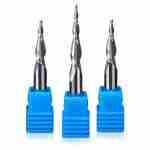
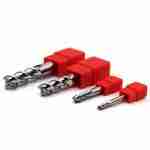
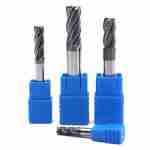
Solid Carbide Round Bar Picture

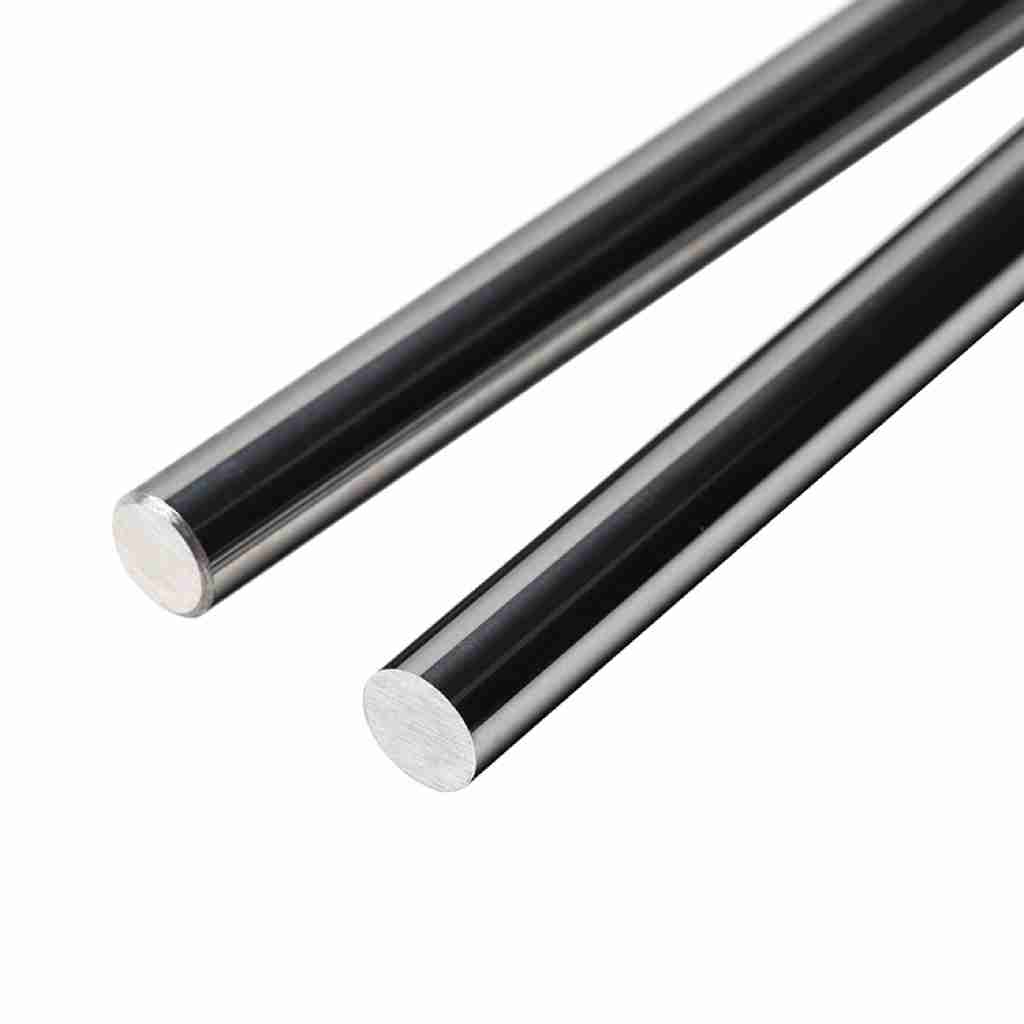
Solid Carbide Round Bar Details
| Customization: | Available |
|---|---|
| Precision: | High Precision |
| Controlling Mode: | CNC |
Solid carbide round bar, also known as solid tungsten carbide round bar, is a high-performance engineering material widely used in industrial manufacturing, thanks to its excellent hardness, wear resistance, and thermal stability. As a core component in machining, mold making, and precision engineering, it has become an indispensable material for improving production efficiency and product quality. This article will detail the applications, usage precautions of solid carbide round bar, and compare its advantages and disadvantages with ordinary hardware, helping you make informed choices for your industrial needs.
Overview of Solid Tungsten Carbide Round Bar
| Product Name | Solid Tungsten Carbide Round Bar |
| Product Item | precision level tool |
| Model NO. | 1-20mm |
| Processing Type | Metal |
| Usage | General/High Speed |
| HRC | 45/55/58/62/65 |
| Tolerance | 0~-1 Wire |
| MOQ | 10PCS |
| Custom Support | ODM/OEM |
| Total Length | 50-150mm |
| Flute | 2/3/4/6 Flute |
| Apply to | Stainless Steel, Titanium Alloy, etc. |
| Sample | Customize |
| Coating | Altin, Tiain, Ticn, Tin Nanocoating |
| Tooth Form | Spiral Tooth |
| Structure | Integral |
| Material | Carbide, Tungsten Steel, Tungsten Carbide |
| Type | Carbide Titanium Alloy Milling Cutter |
| Transport Package | 1 Plastic Tube, Set of 10 |
| Specification | 1-20mm |
| Trademark | Yuchang |
| Origin | China |
| HS Code | 8207709000 |
| Production Capacity | 20000/Month |
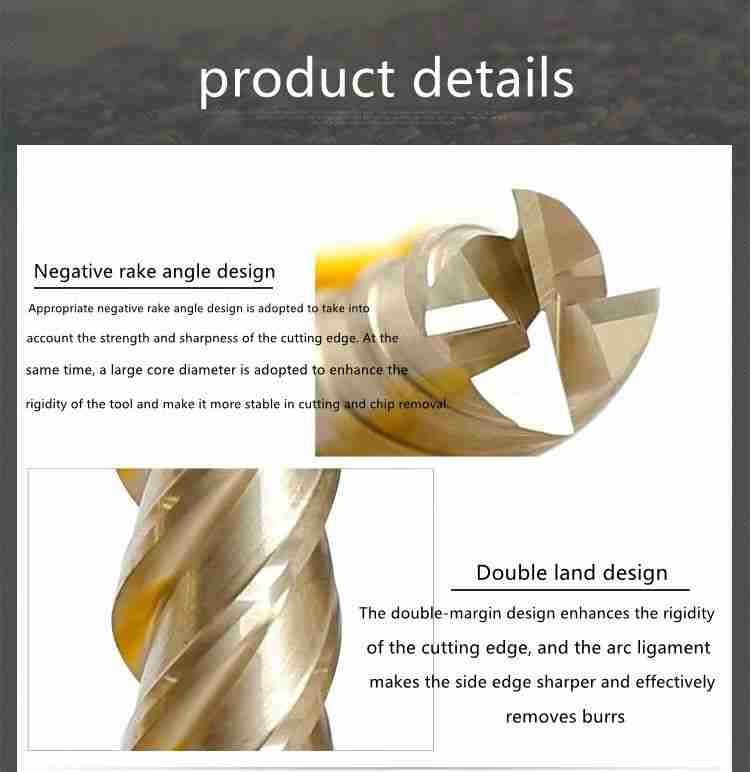
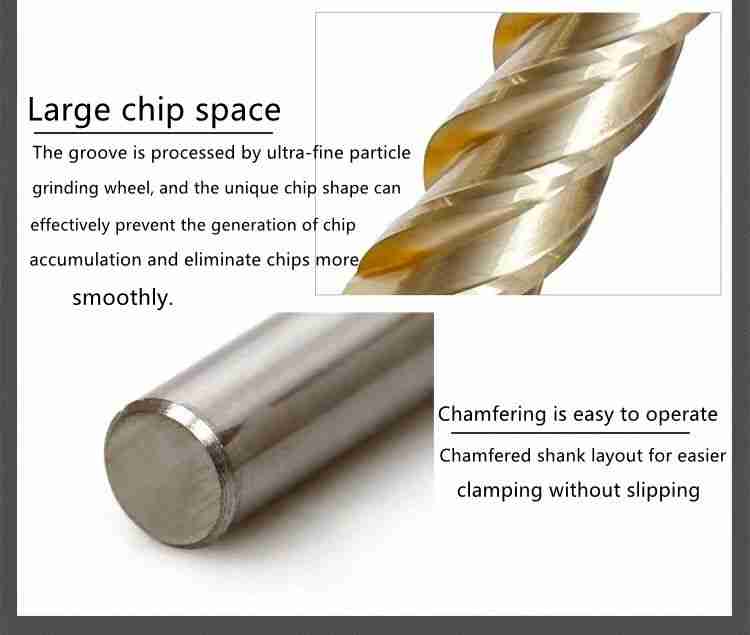
1. Applications of Cemented Tungsten Solid Carbide Round Bar
Solid carbide round bar is favored in various high-demand industrial fields due to its superior performance. Its applications cover machining, mold manufacturing, aerospace, and other key industries, specifically including:
1.1 Machining Industry
It is the core material for manufacturing cutting tools, such as end mills, drills, reamers, and turning tools. The solid carbide round bar’s high hardness (up to HRC 60+) and wear resistance allow cutting tools to process high-hardness materials (e.g., stainless steel, titanium alloy, high-temperature alloys) with high precision and long service life. It is widely used in CNC machining centers, lathes, and milling machines for automotive parts, electronic components, and mechanical parts processing.
1.2 Mold Manufacturing
In mold making, solid carbide round bar is used to produce mold cores, ejector pins, and guide pins. Its high wear resistance and dimensional stability can effectively reduce mold wear during high-frequency injection molding or stamping, extending mold service life and ensuring the consistency of molded products. It is especially suitable for precision plastic molds, die-casting molds, and stamping molds.
1.3 Aerospace and Defense Industry
Due to its excellent high-temperature resistance (can maintain stability at temperatures above 700-800°C) and corrosion resistance, solid carbide round bar is used in the production of key components for aircraft engines, missile parts, and aerospace equipment. It can withstand harsh working environments such as high temperature, high pressure, and strong corrosion, ensuring the safety and reliability of aerospace equipment.
1.4 Other Fields
It is also used in the production of wear-resistant parts (e.g., nozzles, bearings, gears), precision measuring tools (e.g., gauges, probes), and medical equipment components (e.g., surgical instruments). In addition, it is widely applied in the oil and gas industry for drilling tools and downhole components, thanks to its strong wear and corrosion resistance.
2. Precautions for Using Solid Carbide Round Bar
Although solid carbide round bar has excellent performance, improper use will affect its service life and processing effect. The following precautions should be noted during use:
- Prevent Impact and Collision: Solid carbide is brittle and has poor toughness. It is easy to break or chip when subjected to impact or collision during transportation, installation, or use. Therefore, it should be handled with care, and avoid direct contact with hard objects.
- Control Machining Parameters: When using solid carbide round bar to make cutting tools or process workpieces, the cutting speed, feed rate, and depth of cut should be reasonably set. Excessively high cutting speed or feed rate will generate excessive heat, leading to thermal damage of the material; excessively low parameters will reduce processing efficiency and affect processing quality.
- Proper Cooling and Lubrication: During machining, sufficient cooling and lubrication are required to reduce friction and heat generation, prevent the solid carbide round bar from overheating and losing its hardness. It is recommended to use professional cutting fluid to improve cooling and lubrication effects.
- Storage Environment: Solid carbide round bar should be stored in a dry, ventilated, and clean environment, avoiding moisture, corrosion, or dust pollution. It is best to store it in a sealed container or packaging to prevent oxidation and damage.
- Regular Inspection: Before use, check the surface of the solid carbide round bar for cracks, chips, or defects. If any abnormalities are found, it should be stopped using immediately to avoid safety accidents or product quality problems.
3. Advantages and Disadvantages Comparison Between Solid Carbide Round Bar and Ordinary Hardware
Ordinary hardware (such as high-speed steel, carbon steel, and alloy steel round bars) is widely used in general industrial fields, but there are obvious differences in performance compared with solid carbide round bar. The following table details their advantages and disadvantages:
| Comparison Items | Solid Carbide Round Bar | Ordinary Hardware (High-Speed Steel/Carbon Steel Round Bar) |
|---|---|---|
| Hardness | Advantage: Extremely high hardness (HRC 60), can process high-hardness materials | Disadvantage: Low hardness (HRC 30-40), difficult to process high-hardness materials |
| Wear Resistance | Advantage: Excellent wear resistance, long service life, not easy to wear during use | Disadvantage: Poor wear resistance, easy to wear, need frequent replacement |
| Toughness | Disadvantage: Brittle, poor toughness, easy to break when subjected to impact | Advantage: Good toughness, strong impact resistance, not easy to break |
| Processing Difficulty | Disadvantage: High processing difficulty, requires professional equipment and technology, high processing cost | Advantage: Low processing difficulty, easy to cut, grind, and shape, low processing cost |
| Cost | Disadvantage: High material cost, 5-10 times that of ordinary hardware | Advantage: Low material cost, cost-effective for general use |
| Application Scope | Advantage: Suitable for high-precision, high-demand fields (aerospace, precision machining, mold making) | Disadvantage: Suitable for general industrial fields (ordinary machining, daily hardware, low-precision parts) |
4. Conclusion
Solid carbide round bar is a high-performance engineering material with excellent hardness, wear resistance, and thermal stability, which is irreplaceable in high-precision, high-demand industrial fields. Although it has the disadvantages of high cost and poor toughness, its advantages in service life and processing quality can effectively reduce long-term production costs and improve product competitiveness. When choosing between solid carbide round bar and ordinary hardware, you should comprehensively consider your application scenario, processing requirements, and cost budget to select the most suitable material.
FAQ
Is carbide harder than steel

Yes. Carbide (especially tungsten carbide) typically has a hardness of HRC 60+, far exceeding ordinary steel or high-speed steel (about HRC 30-40). It easily machines high-hardness materials and is the top choice for tools.
Is solid carbide the same as tungsten carbide?

Essentially yes. Solid carbide refers to fully sintered tungsten carbide (often called tungsten carbide or tungsten steel), commonly used in round bars and cutting tools.
What are the top 3 strongest metals?

Measured by tensile strength: 1. Tungsten (highest melting point). 2. Steel (most used). 3. Chromium (extremely hard, key in stainless steel). Note: Tungsten leads pure metals; steel alloys are practical. Varies by use.
If you are looking for high-quality solid carbide round bar for machining, mold making, or aerospace applications, please contact us for professional cemented tungsten carbide tools solutions and competitive prices.

Request a Quote for Carbide Tools