Coolant-Through Solid Carbide Drills ( Oil Hole Drills ) Guide
Coolant-through solid carbide drills, also called oil hole drills, are game-changers in precision machining. These carbide cutting tools deliver coolant directly to the cutting edge through internal channels, solving heat buildup and chip evacuation issues that plague traditional external-coolant drills. Whether you’re running automotive parts, aerospace components, or general CNC work, these internal-cooling drills tackle deep-hole drilling and high-temperature operations head-on.Contact our engineers now for a custom solution that fits your exact setup.

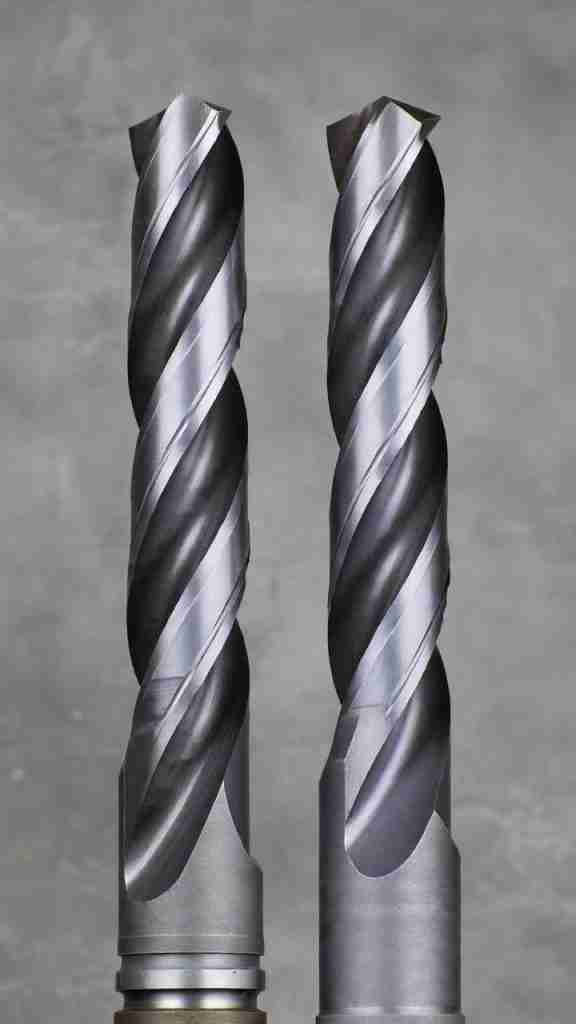
What Are Internal-Cooling Solid Carbide Drills
Internal-cooling solid carbide drills are tungsten carbide tools with built-in cooling channels running through the drill body. The key advantage? Coolant shoots directly to the cutting edge tip through these internal oil holes, delivering precise cooling right where you need it and flushing chips away instantly.
Traditional external-coolant drills can’t get coolant deep into the hole. The fluid hits the outside and struggles to reach the actual cutting zone. Internal-cooling drills fix this problem completely. They knock out three major headaches: excessive heat that kills tool life, built-up edge (BUE) that ruins surface finish, and chip evacuation failures that cause jams.
Why They Matter for Precision Work
High temperatures accelerate tool wear and cause workpiece deformation—both costly problems in precision machining. The internal cooling design removes cutting heat in real time, keeping temperatures under control. Simultaneously, high-pressure coolant blasts chips out of the hole, preventing them from wrapping around the drill or scratching your workpiece surface.
As precision through-coolant drills, these tools meet strict requirements for dimensional stability and surface finish that high-precision machining demands.
Where They Work Best
These drills excel at deep-hole drilling—typically where hole depth exceeds three times the diameter—and machining high-strength metals like stainless steel, titanium alloys, and high-temperature alloys. You’ll find them throughout automotive, aerospace, and medical equipment manufacturing where precision and efficiency matter.
For shallow holes or soft materials (low-hardness plastics, ordinary wood), other drill types might make more sense for cost control. Consult an engineer for specific selection guidance based on your application.
Key Questions About Use and Manufacturing
Why Use Coolant in Machining
Coolant handles four critical jobs in machining operations:
Cooling – Rapidly removes heat generated during cutting to prevent tool softening and accelerated wear from high temperatures. Also prevents workpiece deformation to maintain machining accuracy.
Lubrication – Forms an oil film between the cutting edge and workpiece contact surface. This reduces friction resistance, lowering tool wear and improving workpiece surface finish.
Chip Removal – High-pressure flushing expels chips from the cutting zone. Without this, chip buildup scratches the workpiece or jams the tool, causing machining failures.
Rust Prevention – Certain coolants form protective films on workpiece and tool surfaces, preventing post-machining rust and oxidation.
For high-strength metal processing common in manufacturing, proper coolant selection directly impacts machining efficiency, tool life, and product yield rates.
How Internal-Coolant Drills Are Made
The production process for coolant-through solid carbide drills balances the properties of cemented carbide with the precision of cooling channels. Core manufacturing steps:
Material Selection – High-quality tungsten carbide blanks undergo mixing, pressing, and sintering to ensure material density and hardness meet specifications. Detailed material parameters available in the RFQ stage.
Precision Grinding – Shapes the cutting edges and helical flutes to guarantee cutting performance and chip evacuation efficiency.
Cooling Channel Creation – This is the critical step. Deep-hole drilling technology creates oil holes distributed along the helical flutes inside the drill. Channel diameter and positioning must precisely align with the cutting edges to ensure coolant reaches the cutting zone directly.
Final Processing – Surface treatments (coatings), dimensional inspection, and performance testing detect issues like channel blockage or dimensional deviations, ensuring product consistency.
The entire manufacturing process demands extremely high precision in equipment and process control. Third-party inspection reports available upon request from our carbide factory.
Core Performance Advantages
As high-performance carbide drills, coolant-through solid carbide oil hole drills deliver measurable production efficiency gains. Here’s how they improve your key performance indicators:
| Performance Metric | Improvement Description |
|---|---|
| Extended Tool Life | Precise cooling and lubrication reduce cutting edge wear. Tool replacement frequency drops compared to traditional external-coolant drills, cutting downtime for tool changes and improving equipment utilization. |
| Optimized Machining Efficiency | Supports higher cutting speeds and feed rates while preventing interruptions from built-up edge or chip evacuation failures. Parts processed per unit time increases significantly. |
| Enhanced Product Yield | Controls thermal deformation and surface scratches on workpieces. Hole position accuracy, perpendicularity, and surface finish compliance rates improve, reducing scrap rates and rework costs. |
| Reduced Overall Costs | Extended tool life, enhanced efficiency, and lower scrap rates collectively decrease per-unit processing costs—particularly valuable for high-volume production scenarios. |
| Expanded Application Range | Enables stable machining of difficult-to-cut materials like stainless steel and titanium alloys, plus deep-hole operations. Overcomes traditional drill bit limitations, eliminating the need for multiple tool changes. |
How to Use Internal-Coolant Drills Effectively
To maximize coolant-fed twist drill performance while aligning with manufacturing practices, follow these actionable steps:
Tool Selection
Choose the appropriate solid carbide internal-coolant drill based on workpiece material (carbon steel, stainless steel, high-temperature alloy), hole depth and diameter, and machine tool type. For selection guidance, send drawings to our company for engineer recommendations.
Verify compatibility between the drill’s coolant channel type and the machine tool’s coolant supply system.
Coolant Selection and Adjustment
Choose an appropriate coolant type based on the machined material (refer to the classification table below). Adjust coolant pressure and flow rate to ensure high-pressure coolant flows smoothly through the drill’s oil holes, reaching the cutting edge. Contact an engineer to confirm suitable pressure parameters.
Machine Tool and Installation Calibration
After installing the drill bit, calibrate its concentricity using a dial indicator. This prevents hole misalignment and tool wear caused by installation deviations.
Verify machine tool spindle speed and feed rate parameters, presetting reasonable values based on material properties. Specifications vary significantly—refer to RFQ for exact parameters.
Trial Run Verification
Conduct initial small-batch trial runs to evaluate hole accuracy, surface finish, and tool wear. Fine-tune coolant and cutting parameters until optimal machining conditions are achieved.
Batch Processing and Routine Maintenance
During batch production, regularly inspect coolant cleanliness—replace cloudy coolant promptly—and monitor drill wear. After processing, thoroughly clean chips and coolant residue from drill surfaces and apply rust prevention treatment to extend tool life.
Real-World Application Cases
The following cases from manufacturing operations demonstrate transferable lessons for similar conditions:
Automotive Component Manufacturing
An automotive component manufacturer machined deep holes in engine blocks (hole depth-to-diameter ratio 5:1, material: high-strength cast iron). Previously using external-coolant drills, they hit problems: difficult chip evacuation, workpiece deformation, and short tool life, resulting in an 8% scrap rate.
After switching to coolant-through solid carbide oil hole drills paired with water-soluble coolant, precise cooling and chip evacuation extended tool life by over 60%. Scrap rate dropped below 2%, and processing time per part decreased by 15%—significantly boosting batch production efficiency.
This solution applies to deep-hole machining of high-strength metals in automotive and construction machinery applications, particularly where hole depth-to-diameter ratio exceeds 3:1.
Aerospace Component Machining
An aerospace manufacturer faced challenges machining titanium alloy parts (high-temperature alloys with poor thermal conductivity). The original machining method resulted in tool overheating and wear, along with substandard workpiece surface roughness.
By adopting precision through-coolant drills paired with oil-based coolant and optimized cutting parameters, real-time cooling of the cutting zone was achieved. Workpiece surface finish met aerospace standards, tool replacement frequency decreased, and machining efficiency increased by 20%.
This solution applies to precision drilling scenarios involving difficult-to-cut materials in aerospace, medical equipment, and other industries.
Common Coolant Types for Machining
Machining coolants fall into four main categories, each tailored for different processing scenarios and materials:
| Coolant Type | Core Characteristics | Best Applications |
|---|---|---|
| Water-Soluble Coolant | Excellent cooling effect, low cost, easy to clean. Rust prevention optimized with additives. | Bulk processing of conventional materials like carbon steel, cast iron, aluminum alloys—typical for automotive parts production. |
| Oil-Based Coolant | Superior lubrication, slightly weaker cooling. Handles high-temperature and high-pressure conditions. | Difficult-to-cut materials like titanium alloys, stainless steel, and precision machining scenarios. |
| Semi-Synthetic Coolant | Balances cooling and lubrication with strong stability and low odor. | General mechanical processing, mold manufacturing, and multi-material mixed processing scenarios. |
| Fully Synthetic Coolant | High cleanliness, long service life, good environmental performance. | Precision processing requiring high cleanliness, such as medical equipment and electronic components. |
Extended Advantages of Internal-Coolant Drills
Beyond the KPI-level advantages mentioned earlier, coolant-through solid carbide oil hole drills offer unique benefits compared to standard external-coolant drills and non-carbide drills:
Material Superiority – As tungsten carbide tools, solid carbide boasts high hardness and exceptional wear resistance, making it ideal for machining high-strength materials.
Superior Cooling Efficiency – The internal cooling channel directly reaches the cutting edge, delivering significantly better cooling than external systems where coolant gets blocked by helical flutes and struggles to penetrate deep-hole areas.
High Versatility – These coolant-fed drills work with various machine tool types, meeting the needs of different production modes like CNC machining and job shops.
Stable Precision – They minimize drill deformation caused by high temperatures and friction, ensuring dimensional consistency in batch processing.
Get Custom Coolant-Through Drill Solutions
As a specialized carbide drill supplier, we provide global customers with a full range of coolant-through drills and complementary solutions across industries including general machinery, automotive, aerospace, and medical.
Whether you require standard specifications or customized precision coolant-through drills, support is available through:
- Email machining drawings to our technical team for engineer-customized selection and quotation
- Contact our online engineers for technical consultations on coolant compatibility and cutting parameter optimization
- Visit carbide-factory.com Product Center to view detailed specifications of through-coolant solid carbide drills (specifications vary significantly by channel; RFQs take precedence)
Request a quote now to enjoy rapid local response service and obtain through-coolant carbide drill solutions tailored to your machining conditions, boosting processing efficiency and product competitiveness.


Request a Quote for Carbide Tools